Known molecules. Rare indications.

Elovaren’s pipeline takes small molecules with established human exposure into defined rare neurological, neurodevelopmental, and metabolic indications — trading discovery risk for regulatory execution.

Why this model.

Most of what makes rare-disease development expensive is discovery risk — and most of that risk is already retired for a molecule that has been in people.

01

Established human exposure

Each candidate is a small molecule already administered to people, with safety and pharmacokinetics characterized in the published record. The questions that consume the largest share of a discovery-stage budget are substantially answered before a program begins.

02

Designation before scale

Programs are advanced to FDA designation first. A designation is a regulatory position with standing, and it is reached on a small fraction of what a registrational trial costs. Our first program holds an FDA rare pediatric disease designation.

03

Defined indications

Each program targets one indication with a defined patient population and a documented unmet need. Narrow scope is what keeps the development path legible to a reviewer and to a partner.
Life Sciences — Active pipeline

Programs centered on defined patient populations, focused development strategies, and substantial unmet need.

ProgramIndicationCandidateRegulatory milestone
MGAM-003Classic PMD Classic Pelizaeus-Merzbacher diseaseRare pediatric disease Clemastine fumarate Rare Pediatric Disease Designation granted
Gradus Neurology Unannounced Unannounced Unannounced

Clemastine fumarate in Pelizaeus-Merzbacher disease

The disease
Pelizaeus-Merzbacher disease (PMD) is a rare inherited disease of myelin, the insulating layer around nerve fibers in the brain and spinal cord. It is caused by changes in the PLP1 gene on the X chromosome and mainly affects boys. In the classic form, signs begin in the first year of life.
The molecule
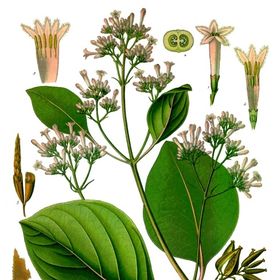
Clemastine fumarate is an antihistamine that has been approved in the United States since 1977. It has been studied in adults with multiple sclerosis as a possible way to help repair myelin.
The designation
In March 2026, FDA designated clemastine fumarate for the treatment of Pelizaeus-Merzbacher disease as a drug for a rare pediatric disease (request RPD-2025-1146). The designation is FDA’s finding that the disease is serious or life-threatening, is rare, and mainly affects people from birth to 18. It is not an approval, and it is not a finding that the drug is safe or effective. Read FDA’s letter
Held by
MGAM LLC (M-Gam), a subsidiary of Elovaren LLC
The program
UnannouncedA program in neurology. Its indication, approach and timing are not yet announced. About Project Gradus